
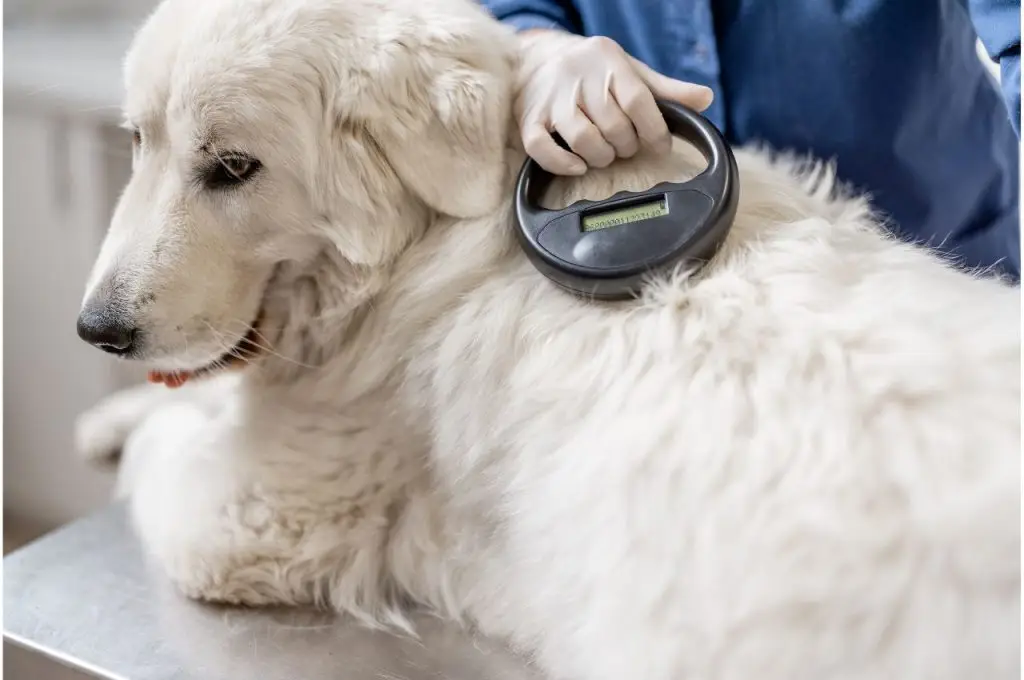
There is really only one distinction that matters: ISO or non-ISO. Everything else — brand, size, extra features — is secondary to whether the chip runs on the international standard frequency.
ISO vs non-ISO
| ISO | Non-ISO | |
|---|---|---|
| Frequency | 134.2 kHz | 125 kHz or 128 kHz |
| Standard | ISO 11784 / 11785 | None — US legacy |
| Number | 15 digits | 9 or 10 digits |
| Accepted abroad | Canada, Europe, Asia, Australia | Generally not |
| Required for pet travel | Yes | No — needs a workaround |
If there is any chance your dog will ever leave the country, get an ISO chip. Most destinations require one, and the alternative is carrying your own scanner to the border.
If the dog will never travel, a non-ISO chip is still read by any universal scanner in the US. It is not useless — it is just narrower.
The variations you will be offered
- Standard. A passive RFID transponder about the size of a grain of rice. No battery, no GPS, nothing to charge or replace. Lasts the animal’s lifetime.
- Mini or slim. Same technology in a smaller package, used for puppies, kittens, small breeds and exotics. Slightly shorter read range is the trade-off.
- Temperature-sensing. Returns a body temperature reading alongside the ID number when read by a compatible scanner. Useful for some clinical and breeding situations; irrelevant to most owners.
- Anti-migration coated. A surface treatment that encourages tissue to anchor the chip so it drifts less from the implant site. Worth having where offered.
What none of them do is track your dog. Every pet microchip is passive — it has no power source and transmits nothing until a scanner energises it from a few inches away.
Microchipping a puppy
- Age. Commonly done from around 6–8 weeks, and often at the same visit as an early vaccination. Ask your vet what they prefer for the size of the dog.
- Pain. Comparable to a vaccination. No anaesthetic, no surgery.
- Already chipped? Most breeders and every shelter chip before release — which means the record is in their name, not yours. You need a transfer, not a second chip.
- Never implant a second chip because you cannot find the paperwork. Scan first.
The choice that actually matters
Owners spend time choosing between brands and almost none on the registry behind the number. That is backwards.
Every chip in the table above does the same job: it holds one number. Whether that number brings your dog home depends entirely on whether it resolves to a current record with a phone number someone answers. The chip is a commodity. The registry is the product.
Look your dog’s number up and see what it currently returns.
Common questions
Which microchip is best for a dog?
An ISO 134.2 kHz chip, registered with the registry it belongs to. Brand matters far less than the record behind it.
How do I tell which type my dog has?
Count the digits. Fifteen means ISO. Nine or ten means non-ISO. The prefix guide identifies the manufacturer.
Do microchips expire or need replacing?
No. There is no battery and nothing to wear out. The registry record is the part that goes stale, not the chip.
