
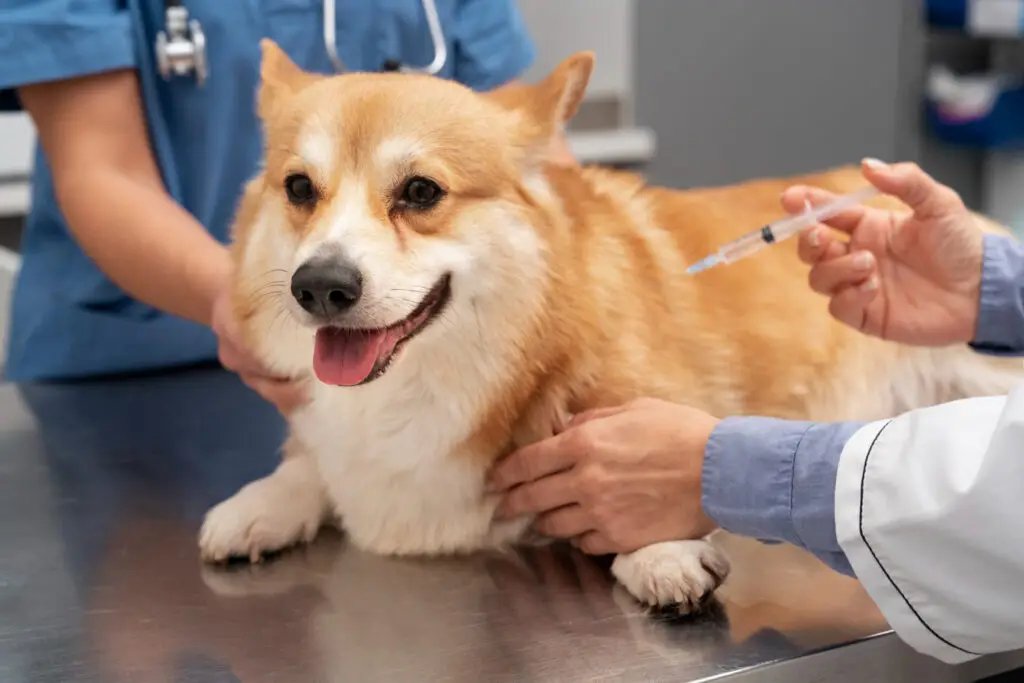
A microchip is not a common allergen, and allergic reactions to the implant itself are rare enough that no reliable rate has ever been published. Rare is not the same as impossible. If the site stays lumpy, hot, or your pet keeps worrying at it, have it examined — but an allergy is not the first thing your vet will be looking for.
Allergy testing before microchipping does not tell you anything
Standard allergy panels, blood or intradermal, screen for environmental and food allergens: pollens, moulds, dust mites, proteins. They do not test the bioglass or polymer casing of an implant, and there is no pre-implant test that predicts how an animal will respond to one. Test your pet because they have itching, recurring ear infections or gut signs that need a diagnosis. Do not test them because of the chip.
A lump at the site is usually not an allergy
Several different things produce the same bump, and they need different responses.
| What it might be | What it tends to look like | What happens next |
|---|---|---|
| Normal post-implant swelling | There straight away, soft, shrinking over a day or two | Watch it |
| Migration | A small firm object somewhere other than between the shoulder blades | Full-body scan to find the chip |
| Infection | Hot, painful, sometimes discharging | Vet, same day |
| A granuloma or reaction to the implant | Firm, persistent, not resolving | Vet examines; may biopsy |
| Something with nothing to do with the chip | Anything that grows or changes | Vet examines |
Your vet can tell these apart by feel, scan and if needed a needle sample. You cannot, and neither can a web page.
Where allergies and microchips actually connect
Not in the implant — in the record. If your pet is lost and ends up with a stranger, a shelter or an emergency vet, the microchip number is the only thing that identifies them and the registry record is the only thing anyone can read. If your registry profile has a field for medical notes, a food allergy or a drug reaction belongs in it. That is the difference between somebody feeding your dog whatever is in the cupboard and somebody knowing not to.
None of which works unless the chip is registered and the record is current.
Microchip resources
Find the registry by microchip prefix · Look up a microchip number · Universal microchip scanners · Register your pet’s microchip
