
AI at Peeva
People First. AI With Guardrails.
How Peeva uses artificial intelligence to empower our team, deliver faster answers to customers, and connect the critical information that helps bring lost pets home—while keeping people accountable at every step that matters.
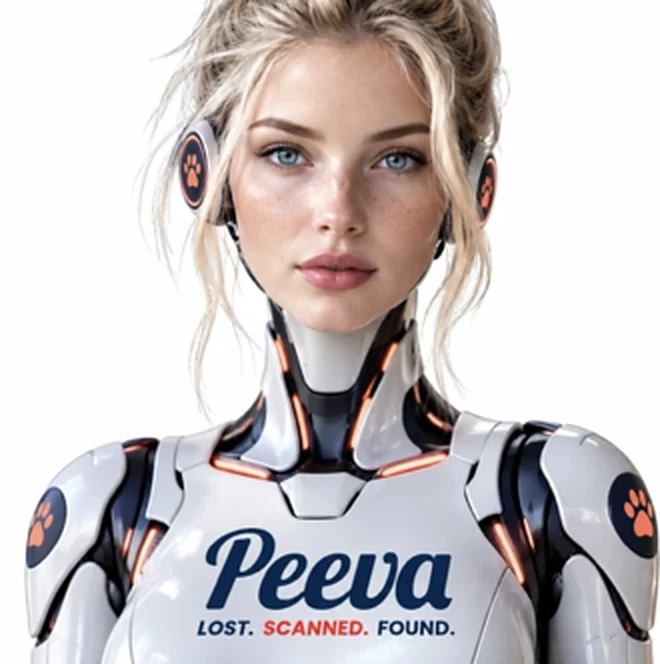
1 · Peeva + AI
Why a Pet Recovery Company Is Investing in AI
Peeva is built around permanent pet identification: a central pet registry, a pet recovery process backed by 24/7/365 support, pet medical records, and a lost and found pets database. Each of those depends on getting the right information to the right person quickly.
That is where artificial intelligence helps. Much of the work around pet recovery and customer support is necessary but repetitive: finding records, answering common questions, documenting conversations, and working out which system holds the answer. AI can take on much of that work so our people can spend their time where human judgment matters most.
Our rule of thumb: automate tasks, augment people, escalate judgment.
Automate tasks
Retrieve information, organize records, summarize conversations and handle routine workflows.
Augment people
Put the relevant history and next steps in front of a team member when they need it.
Escalate judgment
Empathy, verification, discretion and accountability stay with people.
What the research shows
A National Bureau of Economic Research study of a generative AI assistant used by customer support agents found that it raised productivity, and helped spread the practices of the most experienced agents to newer ones.
Source: Brynjolfsson, Li & Raymond, Generative AI at Work, NBER Working Paper 31161.
2 · Meet Grace
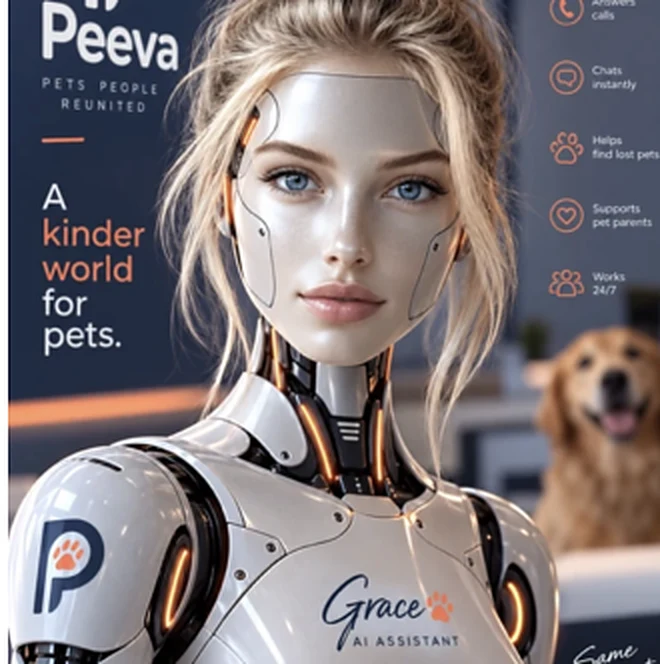
Grace, Peeva's AI Support Agent
Grace is one of our first significant steps in bringing AI into the Peeva customer experience. She is there to help you get to the right answer faster, and to free our team for the conversations where a person makes the difference.
What Grace helps with
- Answering routine questions about Peeva and its services
- Helping you find your way around registration, recovery and account options
- Gathering the details needed to resolve a request
- Working out what should happen next, including when to bring in a person
What Grace doesn't do
Grace doesn't replace our recovery team. When a pet is missing, there is an anxious person on the other side of the conversation, and that is exactly where we want our people focused.

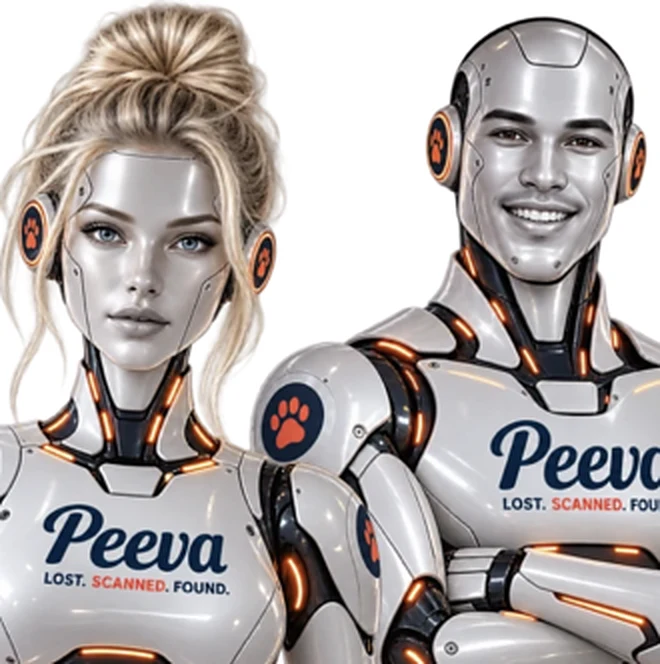
3 · AI With Guardrails
Where Automation Should End
Using AI responsibly means being deliberate about where automation stops. AI is very good at retrieving information, spotting patterns and handling repetitive workflows. It should not be the one making calls that require empathy, verification or professional judgment.
That line matters most in animal health and pet recovery, and the veterinary profession is working through the same questions as AI enters clinical and administrative workflows.
AI should amplify human capability, not eliminate human accountability.
Trust is built into the architecture
Pet-owner information, microchip records, veterinary information and recovery data are things people expect us to protect. Peeva's systems are built around permission-based access and controls on how pet information is shared, and as AI becomes more capable, that governance matters more, not less.
- Privacy
- Security
- Data access
- Human oversight
- Escalation
- Monitoring
- Accuracy
- Accountability
Learn more about pet-owner confidentiality and Peeva's data safeguards.
4 · Recovery Intelligence
Connecting the Signals Around a Missing Pet
When a pet disappears, the information that could bring it home is usually scattered across many places and many people:
- A microchip
- Photographs
- A veterinary record
- A shelter intake
- A lost-pet report
- A last-known location
- Later sightings
- Descriptions written by different people
Historically, people have connected those dots by hand. AI is becoming very good at helping: computer vision can compare photographs, language models can interpret inconsistent descriptions, and automated systems can keep comparing new information against existing records and notify the right people when something changes.
An example from the field: the American Animal Hospital Association reported on an image-recognition match made one minute after an owner filed a lost report for their dog, followed by a microchip alert a minute later.
Source: AAHA, How AI Facial Recognition Is Bringing Lost Pets Home.
Where Peeva is today
Scan notifications
Enrolled owners are notified when their pet's microchip is scanned within Peeva's connected network.
Lost-pet alerts
Alerts with a pet's photo and microchip ID go to pet professionals within 50 miles.
Search and lookup
The lost and found pets database and microchip lookup are open to everyone.
Recovery intelligence is the direction we're building toward: using AI to help search, recognize patterns, prioritize potential matches and cut the time between a missing pet and the family looking for it.
5 · The Future of Pet Identity
The Future Isn't AI or Microchips
New technology is often framed as a replacement for what came before. That isn't the right way to think about pet identification. The American Veterinary Medical Association and the American Animal Hospital Association both support microchipping as permanent identification, along with accurate, accessible registration databases.
AI doesn't replace that foundation. It adds intelligence around it.
A microchip tells us
- This is a unique animal.
AI may increasingly help answer
- Could this photograph be that animal?
- Could these two records describe the same pet?
- Where should we search next?
- Who needs to be notified?
- Which case needs immediate human attention?
The question shifts from "Can we identify this animal?" to "How quickly can we get this animal home?"
Our Philosophy on Responsible AI
Related
- How Pet Recovery WorksLost-pet alerts, microchip scanning and 24/7 support, step by step.
- Peeva RegistryHow Peeva connects microchip identification with centralized pet information.
- Pet Medical RecordsConnecting a pet's permanent identity with important health information.
- Lost & Found Pets DatabaseSearch or report a lost or found pet.
- Microchip LookupCheck whether a microchip is registered with Peeva.
- Pet Owner ConfidentialityHow Peeva approaches pet-owner information and data access.
Questions About AI at Peeva
Is Grace a person?
No. Grace is Peeva's AI-powered support agent. She helps with routine questions and gathers the details needed to resolve a request, and Peeva's team is available when you need a person.
Can I still talk to a person at Peeva?
Yes. Peeva provides 24/7/365 pet recovery support, and situations that call for empathy, verification or judgment are handled by people. You can reach Peeva at 833-PEEVA-CO (833-733-8226).
Does AI replace pet microchips?
No. A microchip remains the permanent form of pet identification. AI adds intelligence around that identity, such as helping compare photographs, reconcile reports and decide who needs to be notified.
Does AI make decisions about releasing pet-owner information?
No. Peeva's systems are built around permission-based access to pet-owner information. Decisions that require verification or accountability remain human responsibilities.
What is recovery intelligence?
Recovery intelligence is Peeva's term for using AI to connect the signals that surround a missing pet, such as a microchip, photographs, reports, scan events and locations, so the right people can act sooner. It describes the direction Peeva is building toward.
Faster answers. Human support when it matters.
Have a Question? Ask Grace.
Grace can help you find information, navigate Peeva and get to the right answer faster, with our team ready when you need a person.
Sources
- Brynjolfsson, E., Li, D., & Raymond, L. Generative AI at Work. National Bureau of Economic Research Working Paper 31161.
- American Animal Hospital Association. How AI Facial Recognition Is Bringing Lost Pets Home.
- American Animal Hospital Association. Applications of AI in Veterinary Practice.
- American Animal Hospital Association. Animal Identification and Microchipping.
