
The Best Ways to Identify Your Pet: Beyond the Tag
Your pet is missing, and you feel a mixture of fear and anxiety. The traditional collar tag, once considered a … Read more

Your pet is missing, and you feel a mixture of fear and anxiety. The traditional collar tag, once considered a … Read more

Pet microchips operate at one of three low frequencies: 125 kHz, 128 kHz, or 134.2 kHz. That is the entire … Read more

Discovering that your pet has wandered off is an experience fraught with anxiety and distress. In these moments, pet owners … Read more

Pet Safety and Protection Act aims to significantly improve pet care and safety nationwide. This guide dives deep into the … Read more
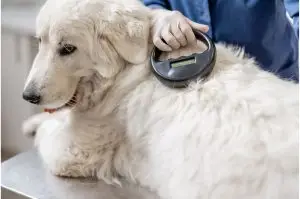
There is really only one distinction that matters: ISO or non-ISO. Everything else — brand, size, extra features — is … Read more
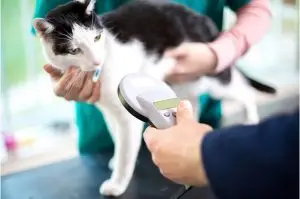
A cat microchip lookup starts with the number, and you can only get the number by having the cat scanned. … Read more

You can tell if a dog is microchipped by having a veterinarian or animal shelter pass a handheld scanner over … Read more

Microchipping a dog typically costs somewhere between about $25 and $60 for the implant, and it is often cheaper or … Read more
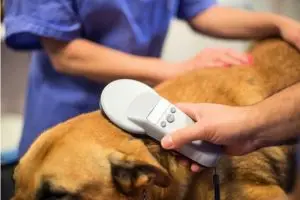
The only scanner worth owning is a universal one — a reader that picks up 125 kHz, 128 kHz and … Read more

A dog’s microchip sits just under the skin between the shoulder blades. Here is exactly where it goes, how it is implanted, whether it can move, and why the registration matters more than the location.
